
Screen Thousands of Candidates for a Match to Your Therapy
Screen thousands or millions of candidates using the standard-of-care H&E slides already collected. MiraTyper measures the features linked to response and ranks candidates against them, before enrollment closes.
- Every candidate scored on the same features, by the same model, every run
- Pathologists set the criteria and review the reports; nothing is a black box
- Runs on archived slides, so screening starts before new samples are collected
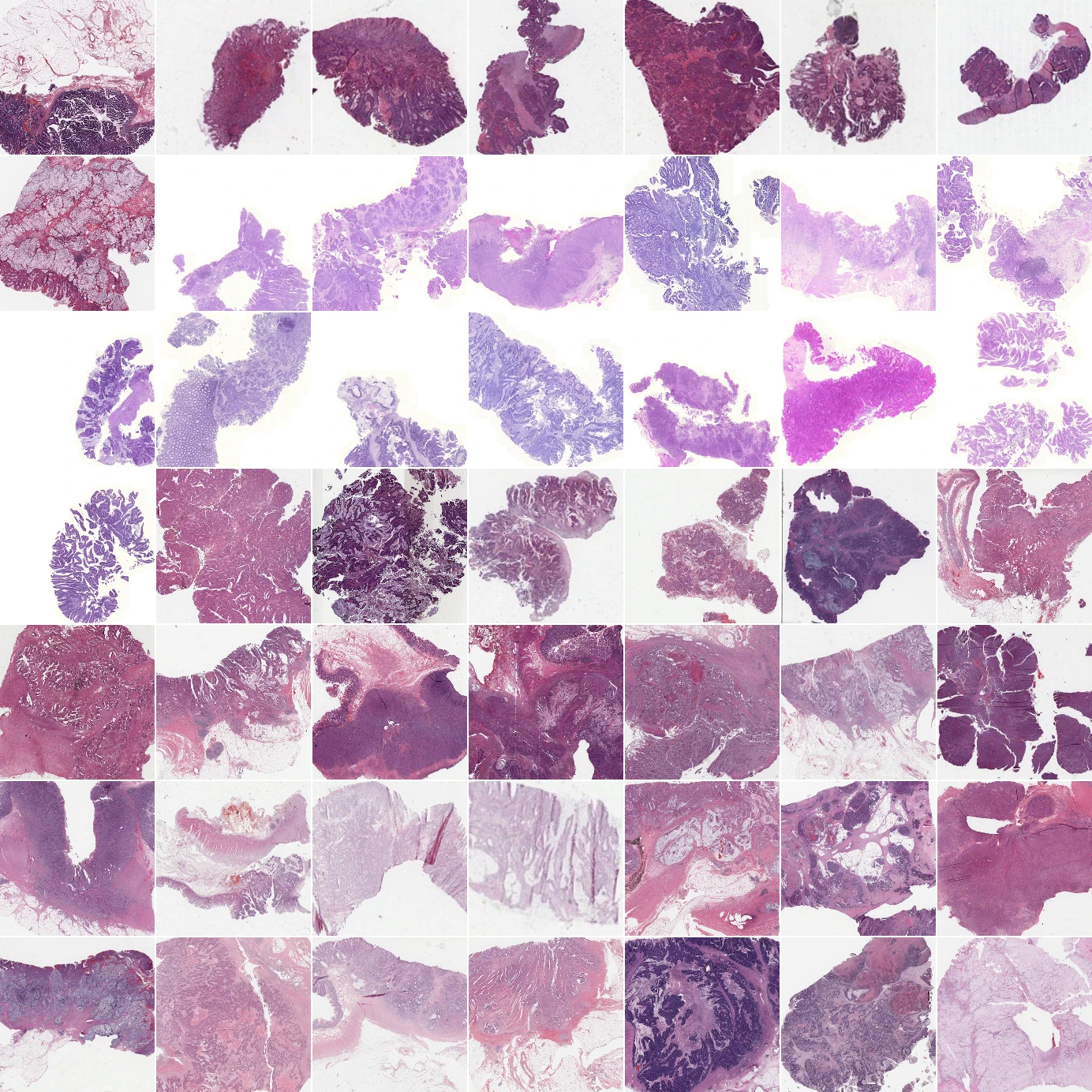
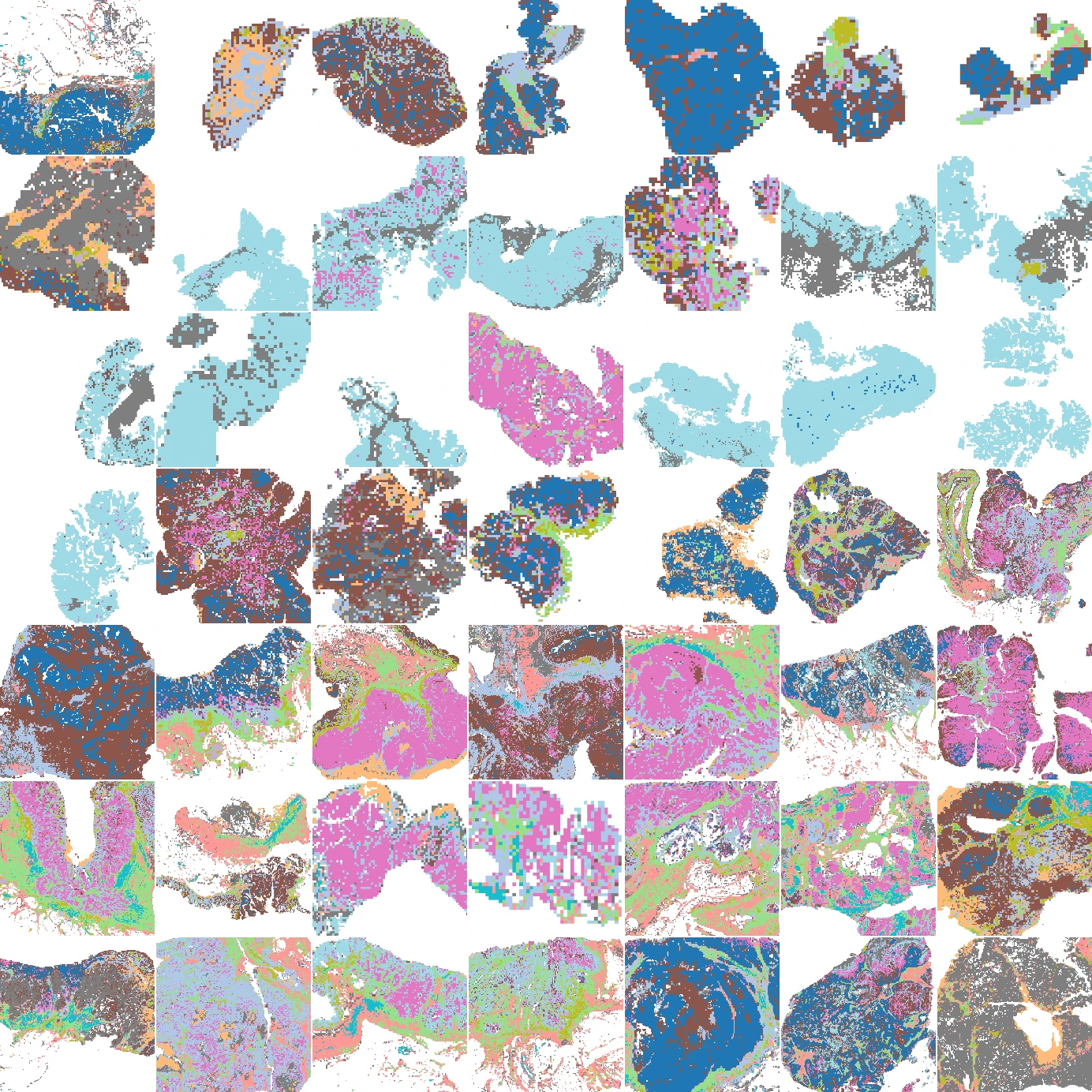
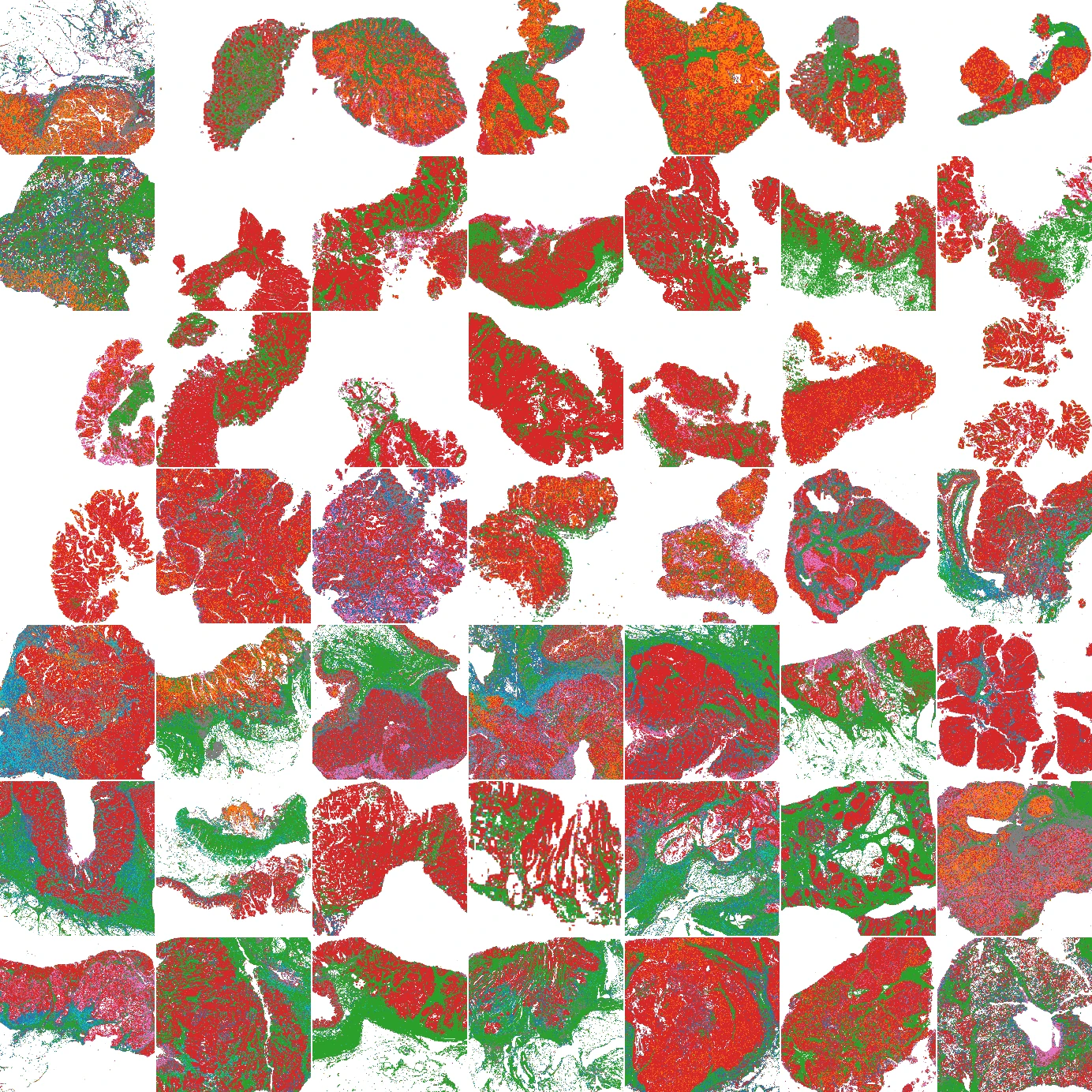
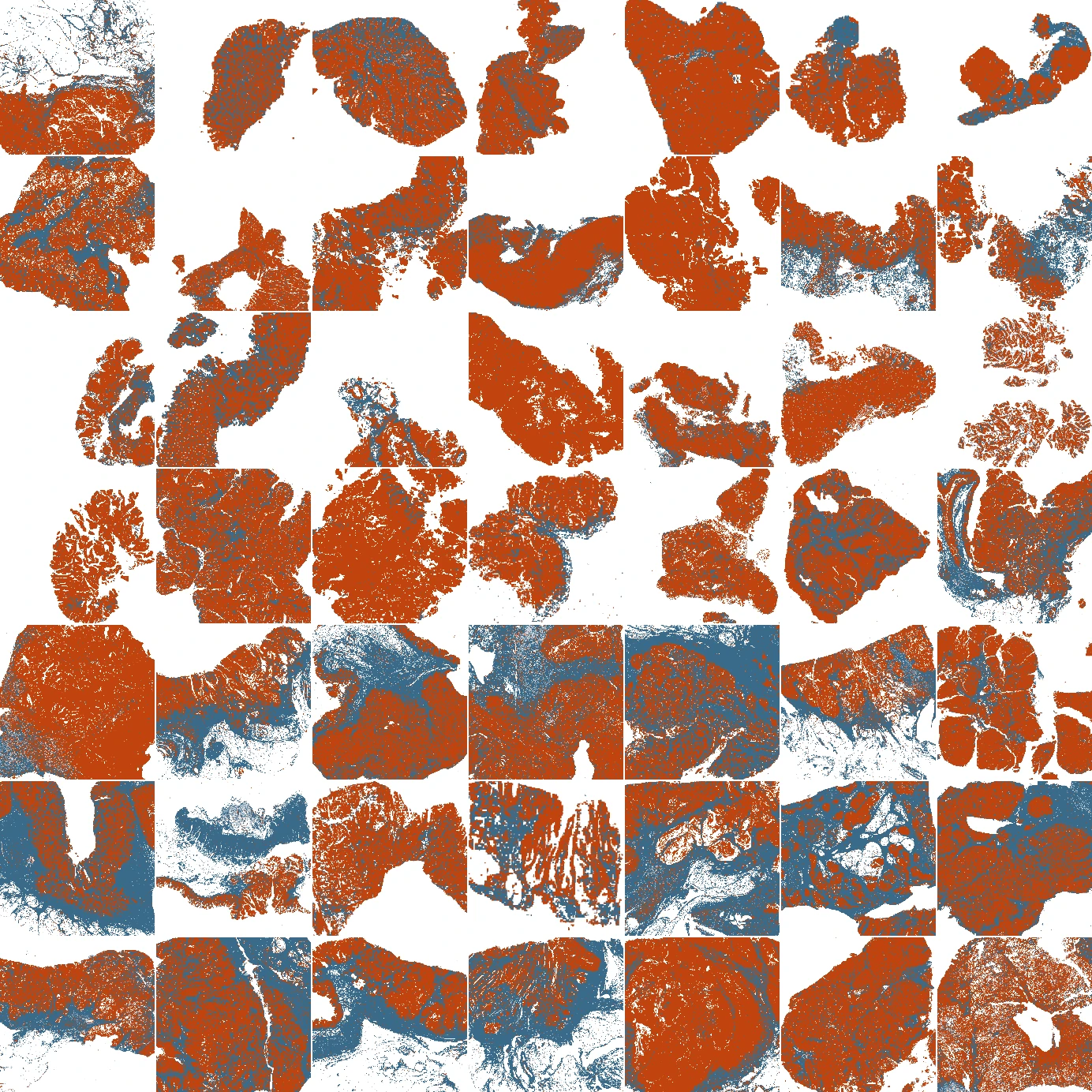
Three Steps, Agreed Up Front
Agree the criteria
The sponsor’s pathology team and MiraOmics decide which features predict response for the asset, and how each one is measured and scored.
Measure every candidate
Primitives quantify those features across each patient’s whole slide: lymphocyte density in tumor and stroma, lymphoid structures, necrosis, vasculature, and tumor architecture.
Review and rank
Each patient gets a report showing the measured values and their percentile against the cohort. Pathologists or a review board make the call.
Measurements, Not a Verdict
Every number traces back to the region of the slide it came from, so the pathology team can check the work.
Per-patient feature report
Each feature with its value in tumor and stroma, and its percentile against the rest of the cohort.
Slide overlays
Every measurement traceable back to the region of the slide it came from, for pathologist review.
Ranked candidate list
Patients ordered by the composite score agreed in step one, with the contributing features shown.
Cohort summary
Distribution of each feature across the screened population, so selection thresholds are set from data.
What Has Actually Been Measured
Malignant-cell detection from H&E alone scores F1 0.83 on ovarian tissue under out-of-fold, spatially blocked cross-validation across 97,000 tiles. A tissue-specific fine-tune on breast reached F1 0.99. Every detector is validated against matched molecular data on the same tissue before it is used on a program.
See what MiraTyper finds in your data
Add your details, pick a time and we will run two datasets for free. Quick and easy.
- 1. Your details
- 2. Choose a time
Choose a time to get started
Your request is saved. If none of these times work, we can follow up by email.
Loading available times…
Calendar not loading? Open scheduling in a new tab.
Before You Book
Does this replace the pathologist?
No. MiraTyper does the exhaustive measurement; pathologists decide which features matter, review the overlays, and own diagnosis, QC, adjudication, and interpretation. Every number traces back to a region of the slide.
What if the relevant feature has no detector yet?
Most new primitives take about a week to build and are validated on orthogonal data before use. The feature set is agreed at the start of the pilot, so the build happens before scoring begins.
Do slides have to leave our network?
No. MiraTyper runs inside the sponsor’s environment, including an air-gapped network. Transcriptomics inference runs on CPU; H&E models and image-based Visium HD segmentation require a GPU.
How do we know the scores are accurate?
Accuracy needs to be checked at two levels: whether the model measures each tissue feature correctly, and whether the combined score identifies response in the intended patient population. Feature measurements are compared with matched molecular data and pathologist review. A score intended to predict response needs a separate evaluation on patients whose outcomes were not used to build it, with acceptance criteria agreed for the study. Repeatable measurements alone do not establish response-prediction accuracy.
How do we know the scores are reproducible?
The model is deterministic and is not LLM-based: the same slide yields the same measurements on every run. There are no tokens, no sampling temperature, and no run-to-run variance.
Run two datasets for free
Bring one asset and one decision. We will tell you on the call whether the tissue can answer it.
P.S. A pilot scores one cohort against one decision, with the success metrics agreed before any analysis runs.